Tag: creator owned comics
-
No fable

Once you’ve made the hole the central metaphor of a lengthy work of fiction, you’re going to have to resign yourself to a whole mess of Freudian baggage. Whether you bring them with you, as part and parcel of your understanding of psychology, or they’re ascribed to your work irrespective…
-
Animal friends

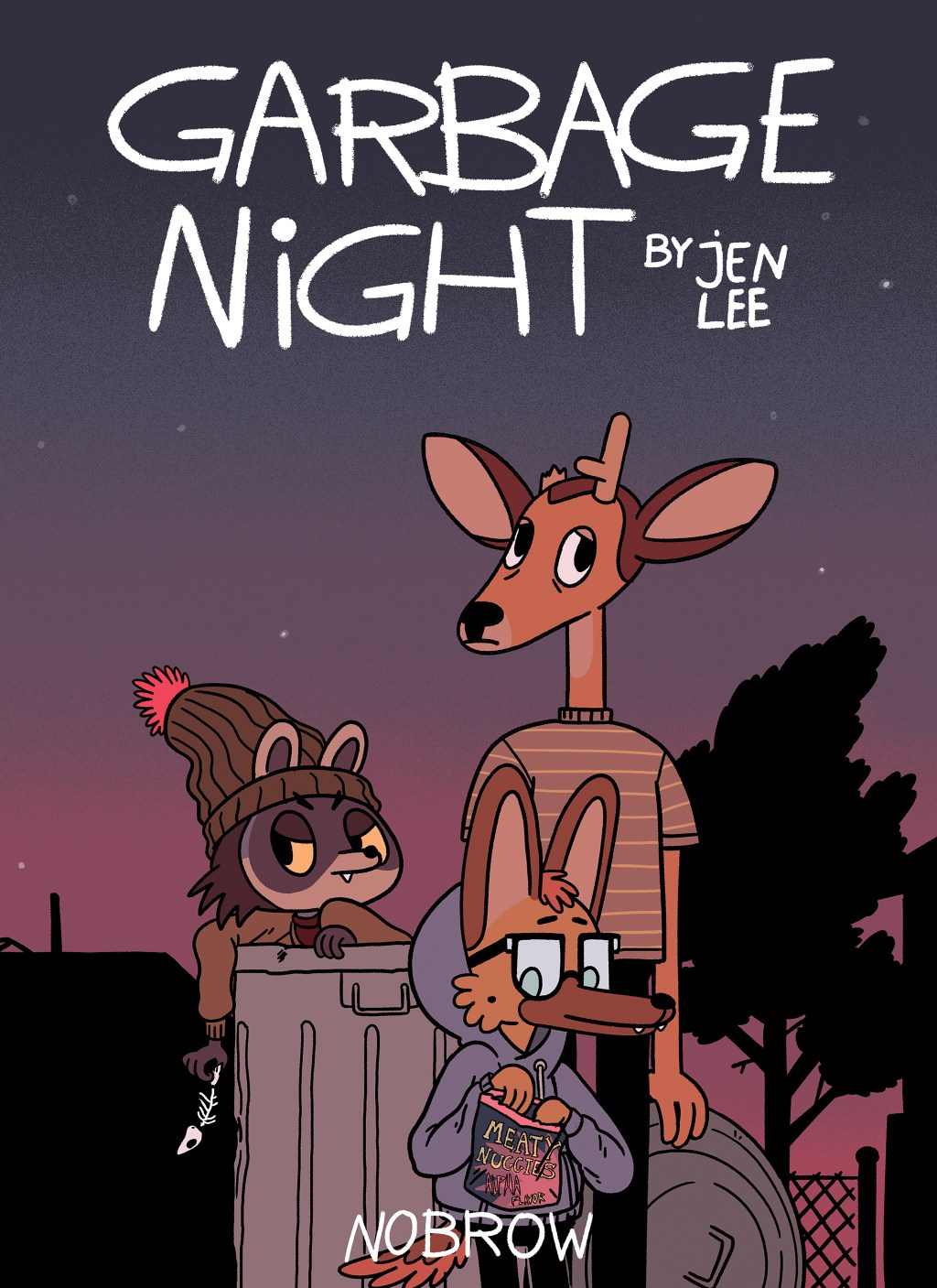
Putting animal heads on the characters in cartoons is a widespread and long-established device—as I very recently noted with respect to Bryan Talbot’s Grandville. Through this device, the cartoonist, who aims to visually communicate any number of observations that couldn’t emerge through mimetic representation, is able to access a smorgasbord…
-
Insightfully commonplace

I was initially underwhelmed by Michelle Theodore’s Cavity. Where were the insights? Where was the peek into an unfamiliar experience? Where was the pleasure and escapism? Then I re-read it, and realised that I had resisted its affect and dismissed its perspicacity because the subjective experience it represented was so…
-
Dwelling together

A labyrinth can be a lonely place. In a short story by Jorge Luis Borges, Asterion, the most famous of labyrinthine inhabitants, is consoled in his solitude only by a prophecy that his redeemer will some day seek him out. That redeemer, the son of Aethra, fathered by both Aegeus…
-
Complex simplicity

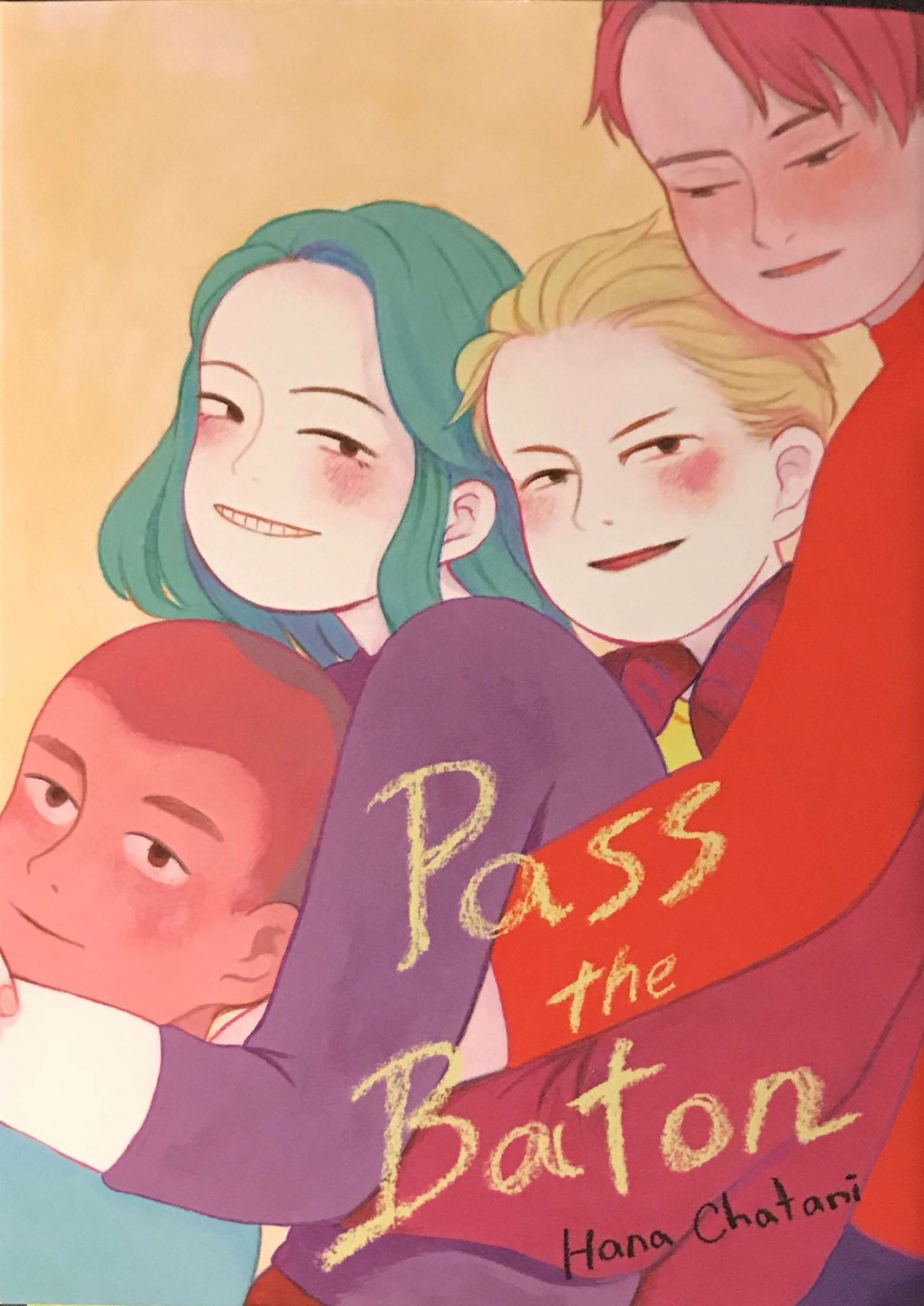
This sweet-natured, simple tale of friendship and love is as straightforward as comics get – except that it’s completely backwards. Unusually for an English-language publication, it’s laid out as a manga, running from right to left, from the front cover, through each page, to its conclusion. When I first picked…
-
A fable for the devouring

This book smells great. It’s a slim, perfect-bound volume, in a tall, narrow, custom format, printed to a very high standard, its pages heavy with dark ink. I want to eat it. Its physicality, its insistent presence as an object, is paralleled, and probably produced in part, by the solidity…
-
So long and thanks for all the comics

The silver Swan, who, living, had no Note, when Death approached, unlocked her silent throat. Leaning her breast against the reedy shore, thus sang her first and last, and sang no more. Clearly, during the course of his career writing comics, Alan Moore was far from silent, so it…
-
Life grooves

Jaime Hernandez often uses techniques that seem cinematic; in fact they are no more proper to cinema than they are to comics, but some narrative tactics are available to both fields that have no direct analogy in other story-telling media, known in cinema by terms such as framing, focus, depth…
-
A gently chromatic narrative

The Island is a short and beautiful allegory. It’s a simple exploration of solitude, of withdrawal, of re-engagement, and of the fear we may feel of aspects of ourselves. The story is told with a minimum of dialogue, and a lot of delicately shaded crayons. It’s a consequence of the…
-
Thoughtful speculation

This is a small-format, short, perfectly-formed science-fiction story. Its basic premise would probably be quite implausible technically, if it was elucidated in sufficient detail to get a handle on it, but the way in which its implications are explored is absolutely exemplary as speculative fiction. A spacecraft propulsion technology uses…
-
Stoke-on-huh?

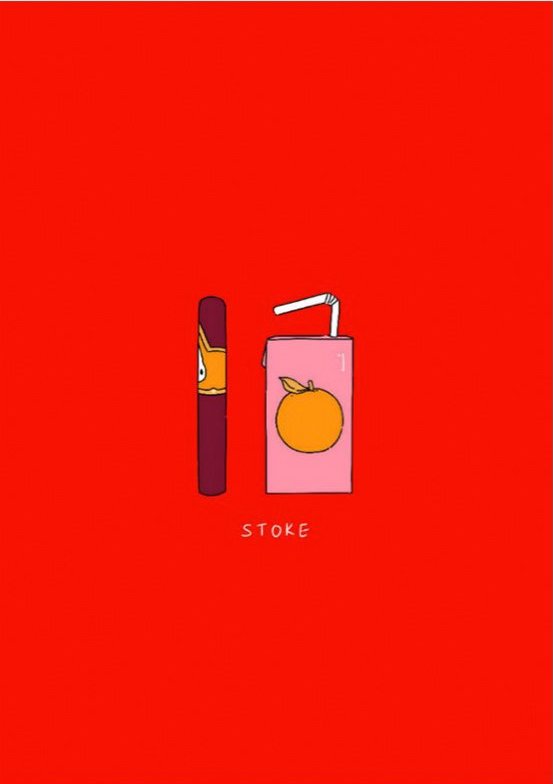
Sam Wade’s Stoke (published by the fabulous ShortBox) is set, presumably, in Stoke. Given that the place-name element ‘stoke’ means (roughly) ‘place’, there are quite a lot of those in England. With its ethnic diversity, mattress store and bare-knuckle kick-boxing, my guess was that it’s probably not the true-blue, rural…
-
Realistically surreal

Is the reality we construct for ourselves from our sensory inputs an orderly one in which every phenomenon is readily explicable, and chains of causation are visible, like the universe described by science? Or is it a confusing one in which things happen for mysterious reasons, and odd symbolic resonances…
-
Only connect…

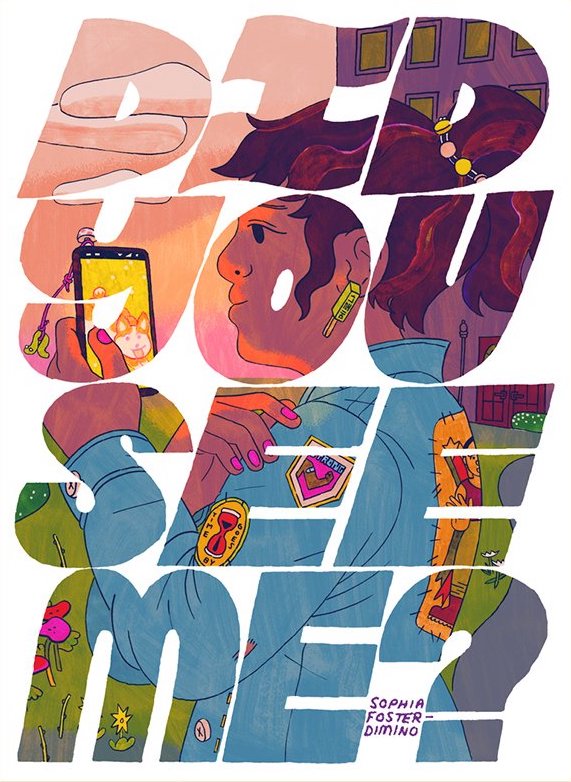
This short comic by Sophia Foster-Dimino is about relationships. ‘Relationships’ is such a debased and overused word that it has ceased to mean anything at all, except perhaps ‘what couples do other than sex’, so I need to clarify that. Did You See Me? is about network connections between subjects,…