Category: Comics
-
An uncertain consolation
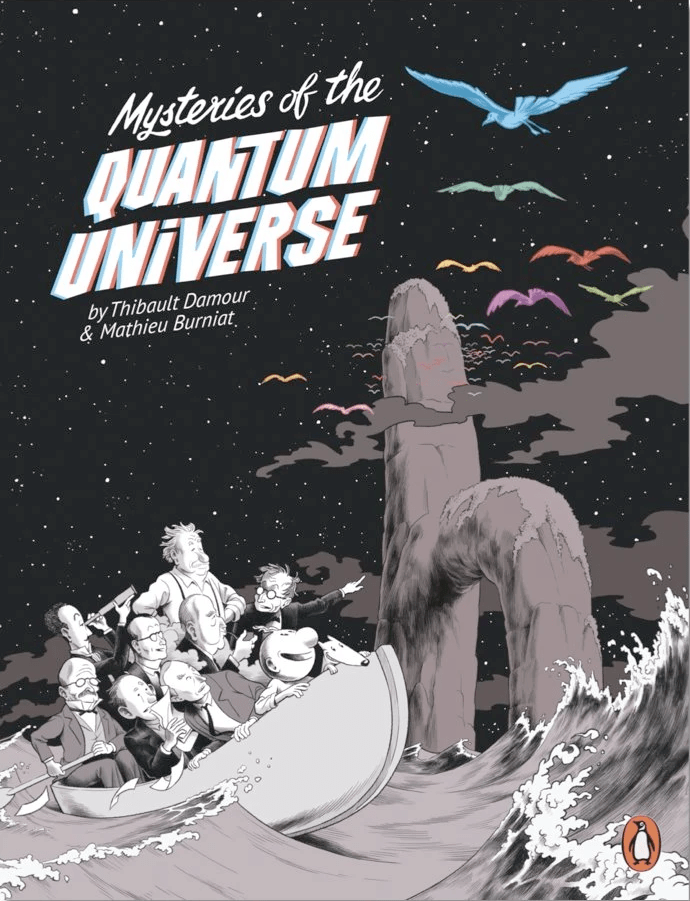
Comic books are an excellent medium for non-fiction. This is not a novel insight—during the Second World War instruction manuals for US soldiers were often provided in precisely that format. Visual explication can be far easier to retain and recall, but even so, comics are primarily associated with narrative fiction.…
-
Clever joy
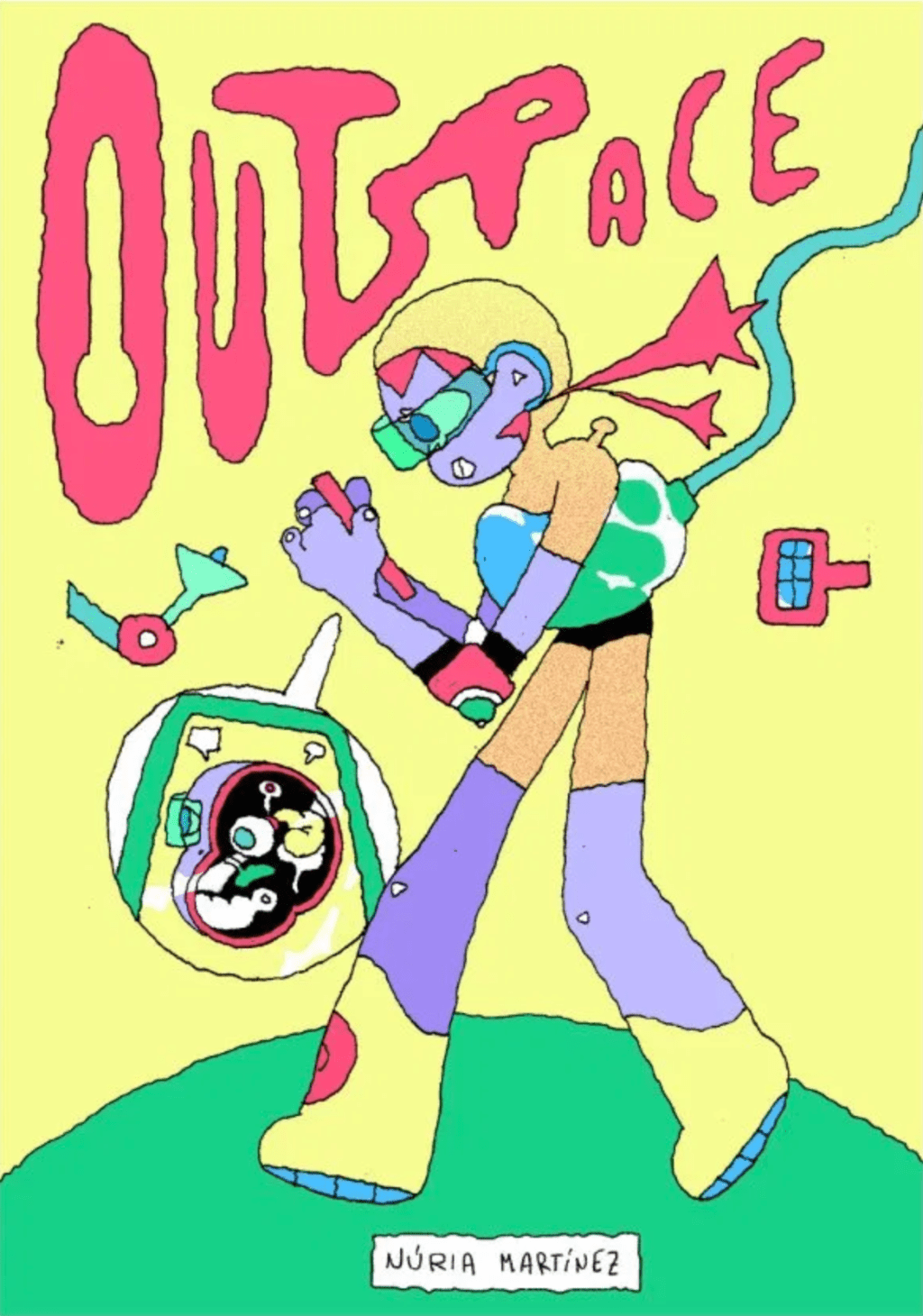
Nuria Martinez cultivates a self-consciously naïve cartooning style, but her sophistication as an illustrator, and her narrative facility as a comics artist become quickly apparent from the outset of Outspace, her cute, colourful one-shot for ShortBox Comics. An upturned roller-skate in the fourth (or third?) panel of the first page…
-
Built in the telling
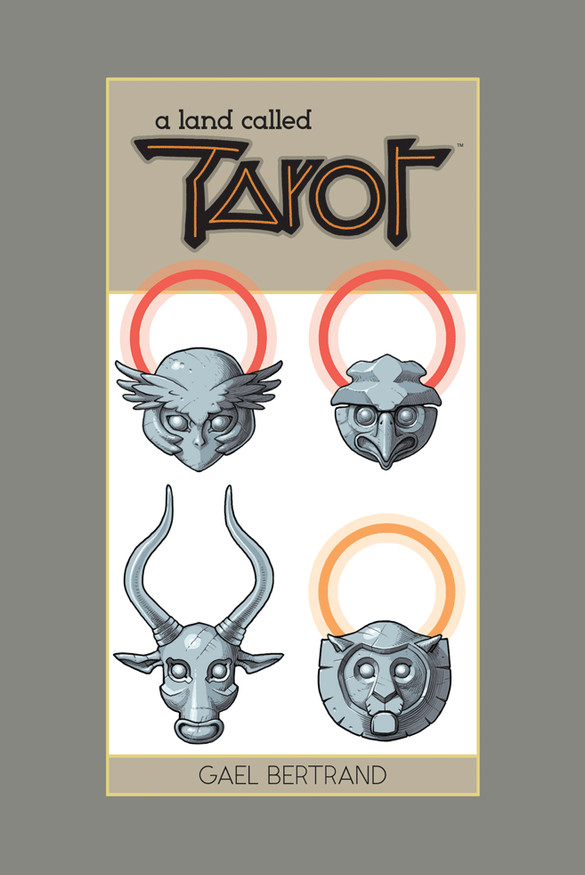
A ‘silent’ comic, which is to say a wordless comic, relies on the grammar of sequential art. This is a well-established grammar, with most of the characteristics of spoken language—it has a lexicon, a set of morphosyntactic rules by which lexical items are combined, and it has dialectical variations. Such…
-
A museum of Tom Kaczynski
Behind their classically laid-out, commercially styled covers (complete with old-school colophons to tickle the collector’s fancy), the first two…
-
The city is not a city
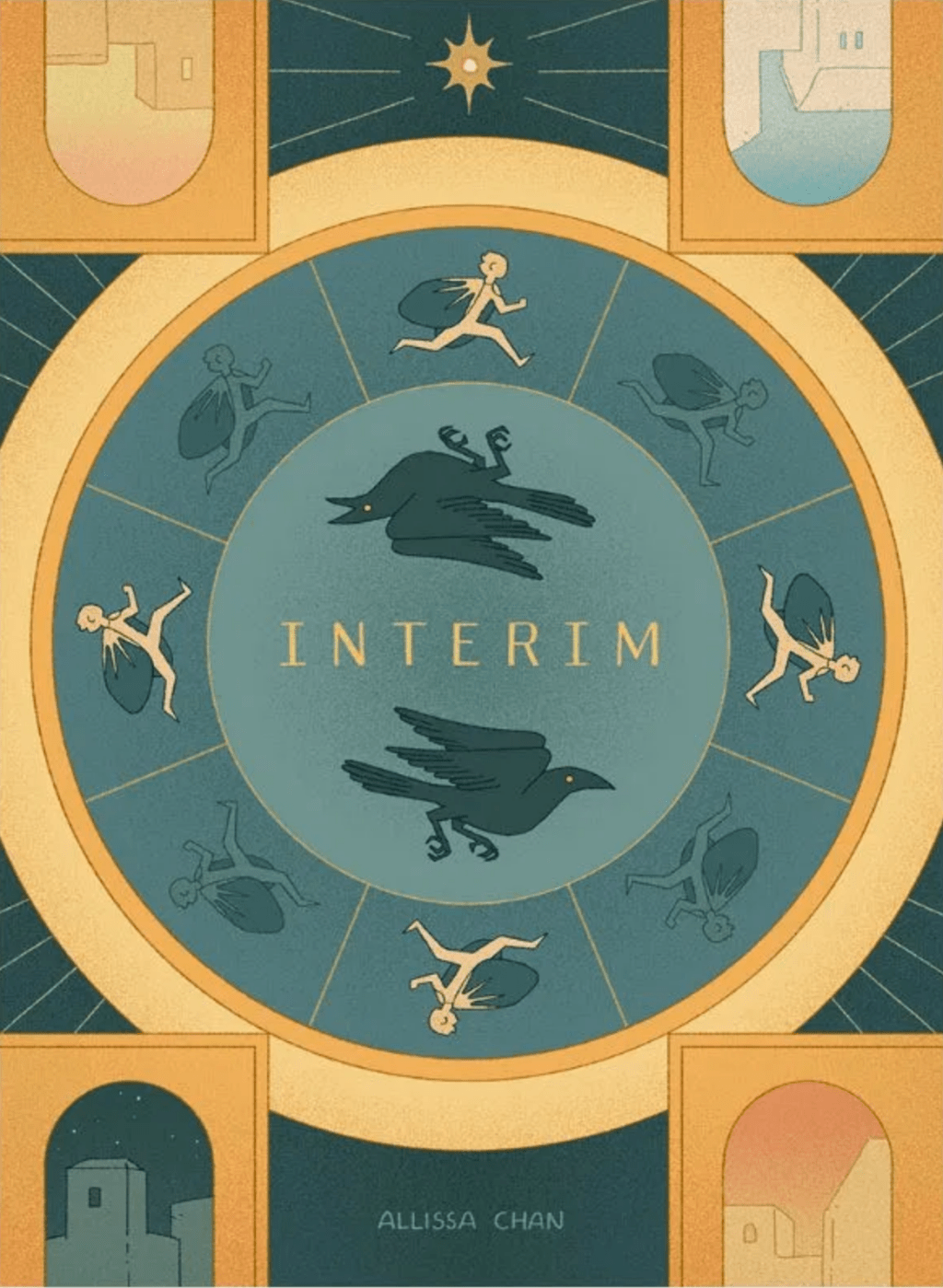
A city is a complex organism. An ‘urbanist’ is a kind of sociologist, which suggests that to those who make cities their objects of study, it is people rather than buildings that constitute one. Indeed it’s possible to imagine a city without buildings—perhaps a large music festival, or historically a…
-
Perfectly lonely
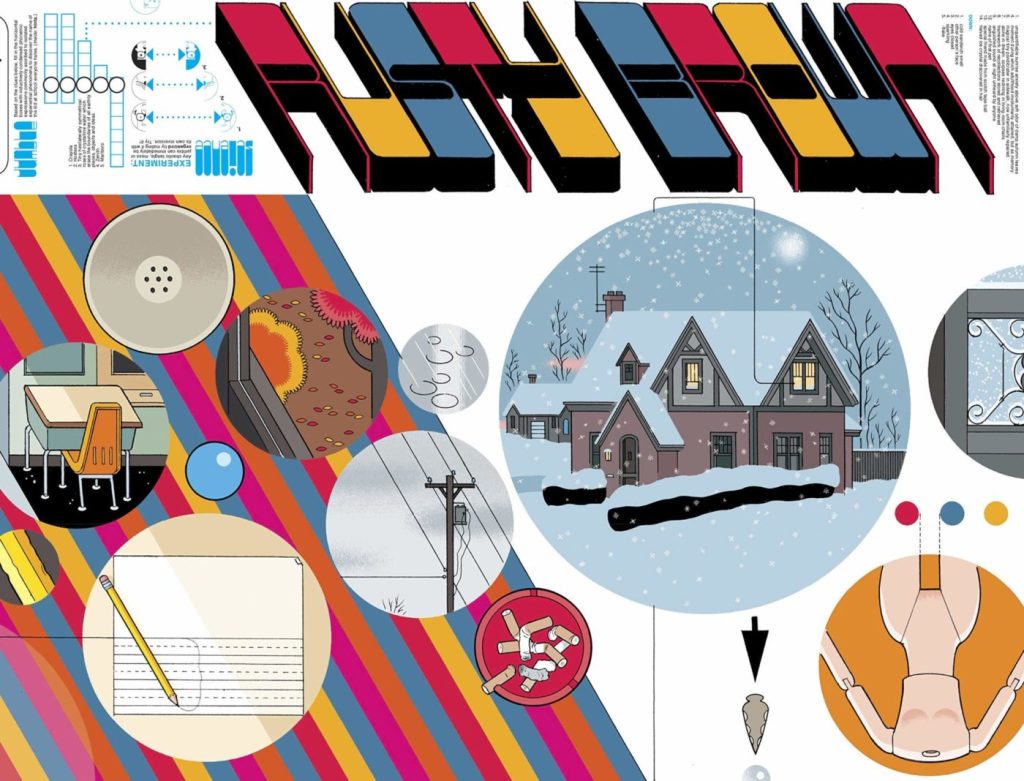
This spectacular and lavish volume from Chris Ware is the second of his beautiful large books that I’ve read. Rusty Brown is apparently an ongoing character that he’s been drawing for some time, a rather selfish and manipulative man-child nerd who takes advantage of his nerd friend Chalky White’s good…
-
Elegant dismemberment
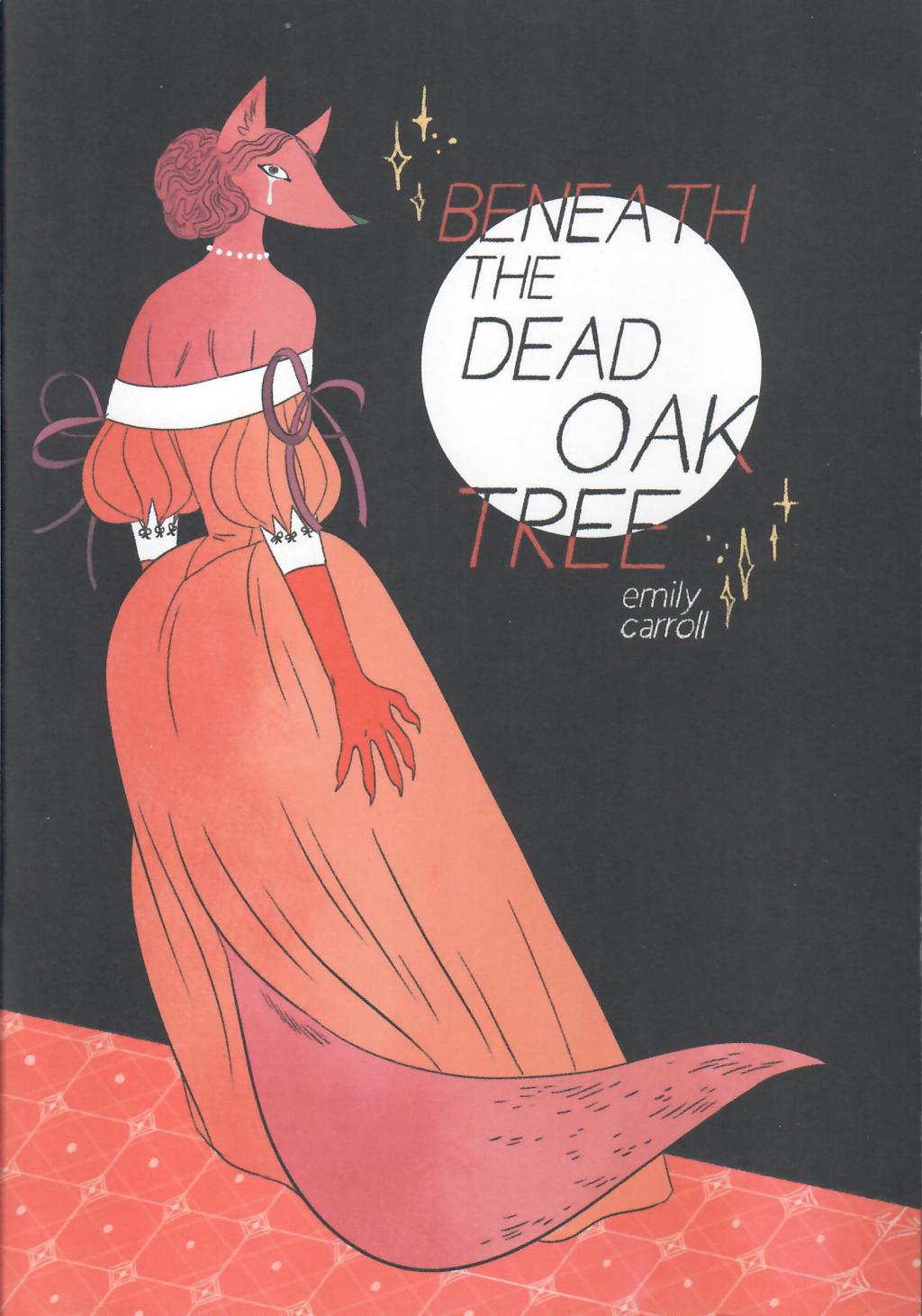
Zainab Akhtar at ShortBox is really the acme of independent comics editors: she just gets it. Everything she puts out is gorgeous. Some books in quite a low-key way, and others, like Beneath the Dead Oak Tree by Emily Carroll, in an overt and sumptuous way. It’s a brief fable…
-
Eyes the same size as her stomach
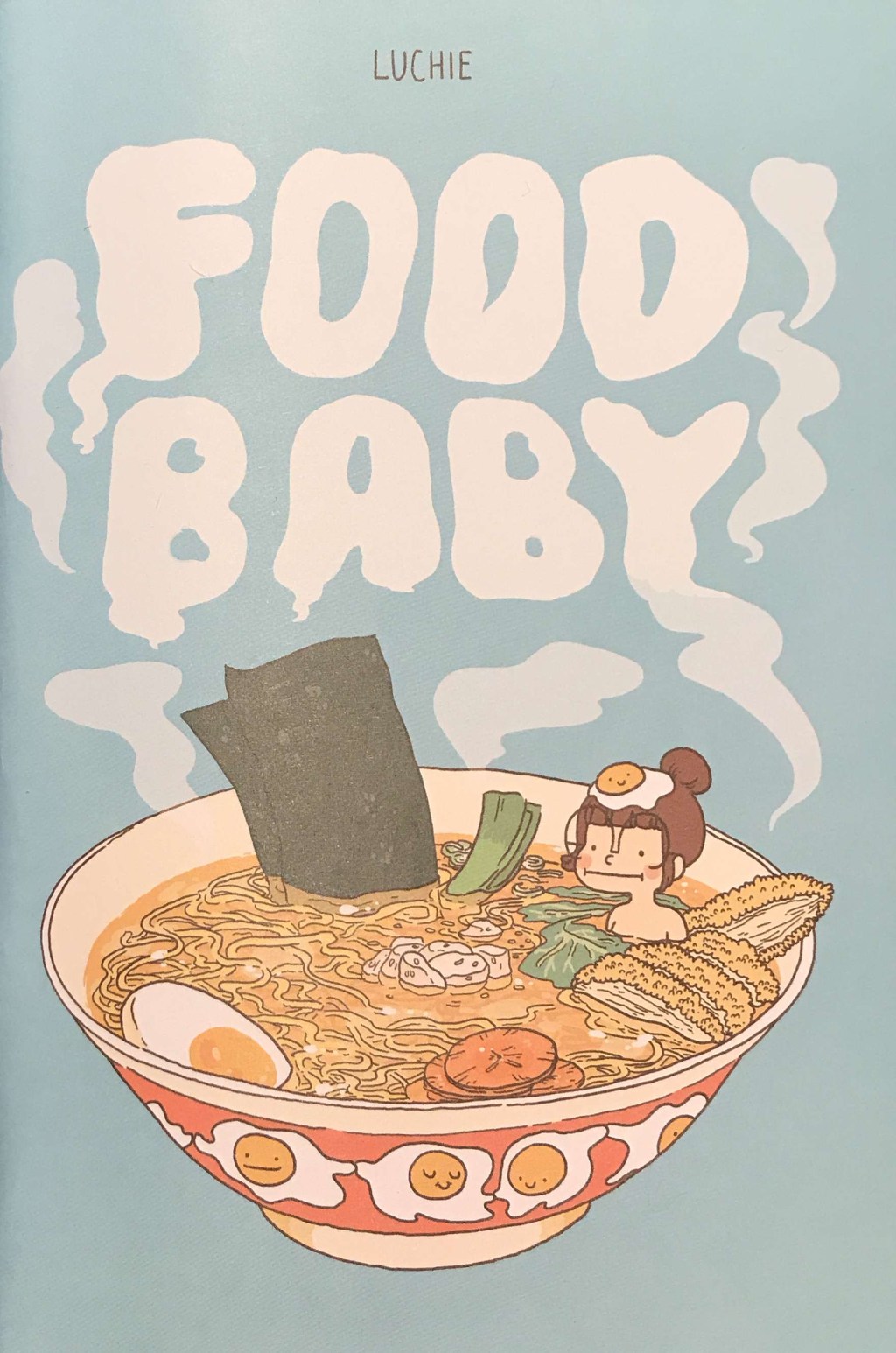
Luchie (as illustrator and cartoonist Lucie Bryon likes to call herself) was apparently blessed with extremely large eyes as a child. In pictures of herself as an adult, she has extremely large glasses. Although she writes in convincing idiomatic English, she is a Francophone, and this may be why the…
-
A book to sort you out apiece

A viral disease is sweeping the world, killing indiscriminately. Well, nearly. Its fatal impact is concentrated in a particular minority, one that many in society seem to regard as expendable, as less valuable than the average. At least in the ongoing coronavirus pandemic, it’s socially unacceptable to vilify older people…
-
Abstract affective allegory
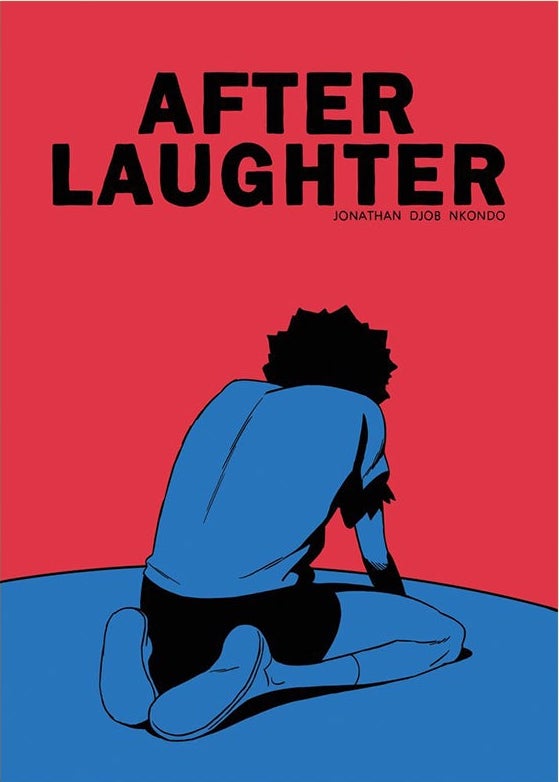
Like all the books published by ShortBox, Jonathan Djob Nkondo’s After Laughter is a beautiful object, printed to a high standard, its bold, two-colour cover intriguing and inviting. The ShortBox website describes it as a ‘silent’ comic, which is to say it has no text. While I’m not one for…
-
Habitable insouciance
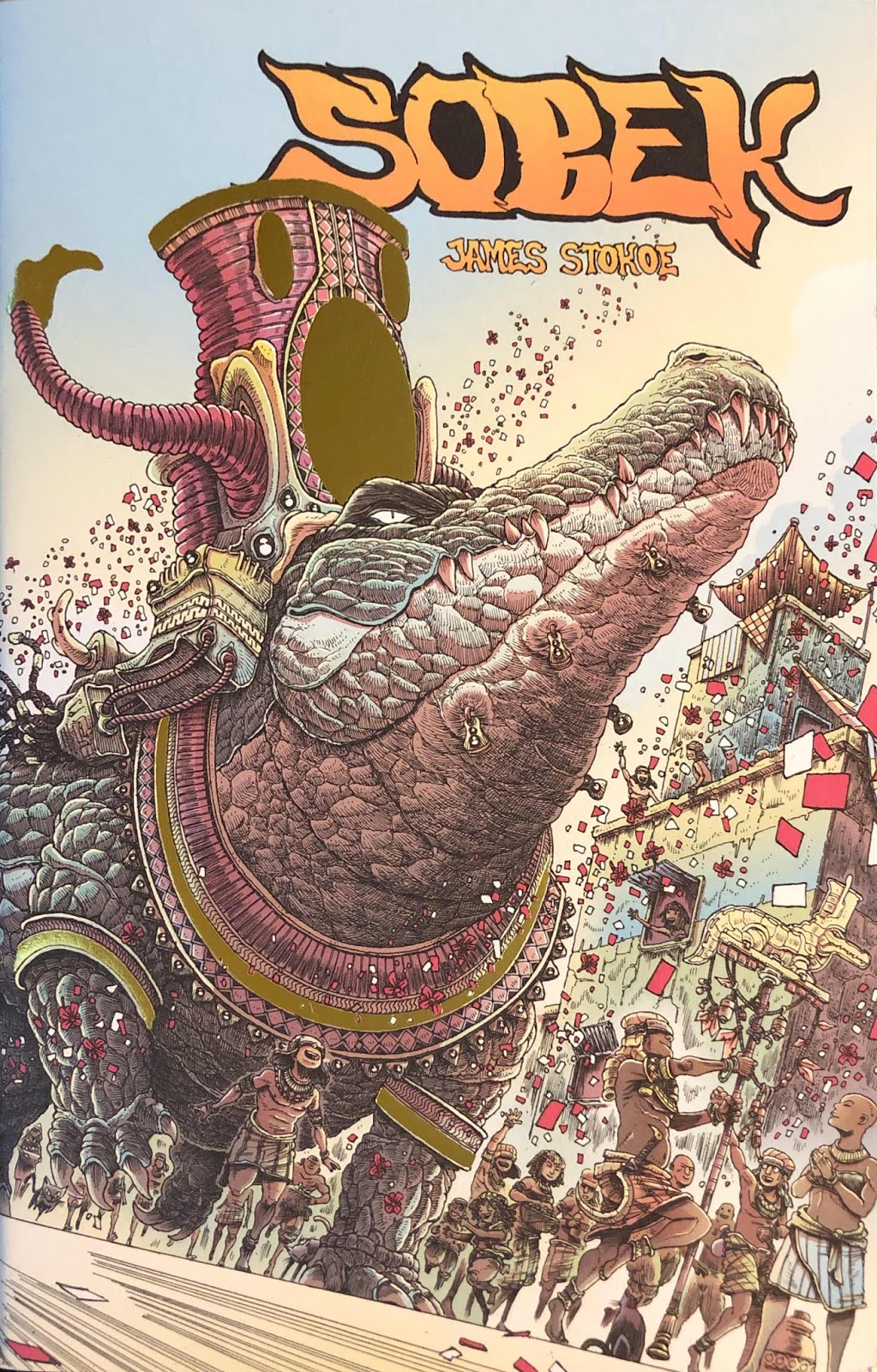
I haven’t seen a great deal of James Stokoe’s work, but what I have seen has been right up my street. He contributed to Prophet, one of the most psychedelic recent SF comics, and he drew the cover for the first issue of Protector, a promising new series from Image…
-
Good hair days
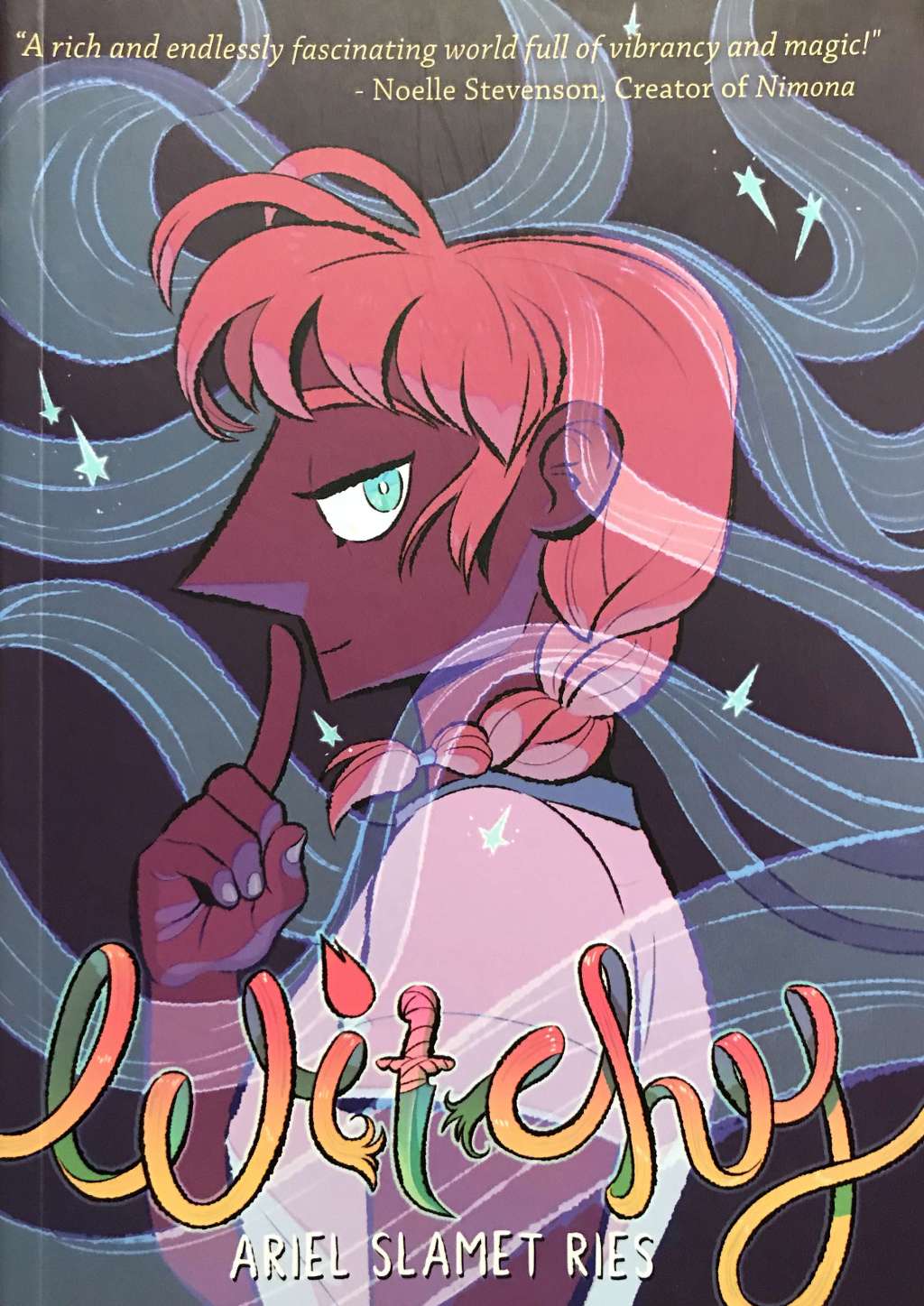
I keep threatening to cut my hair short. Spouse forbids it. Sometimes though, it feels like such a hassle wearing it long, and trying to make myself look presentable in public when bits and tufts are flying in all directions, sticking out from under whatever headgear I’m sporting, feels impossible.…
-
No fable

Once you’ve made the hole the central metaphor of a lengthy work of fiction, you’re going to have to resign yourself to a whole mess of Freudian baggage. Whether you bring them with you, as part and parcel of your understanding of psychology, or they’re ascribed to your work irrespective…
-
Animal friends
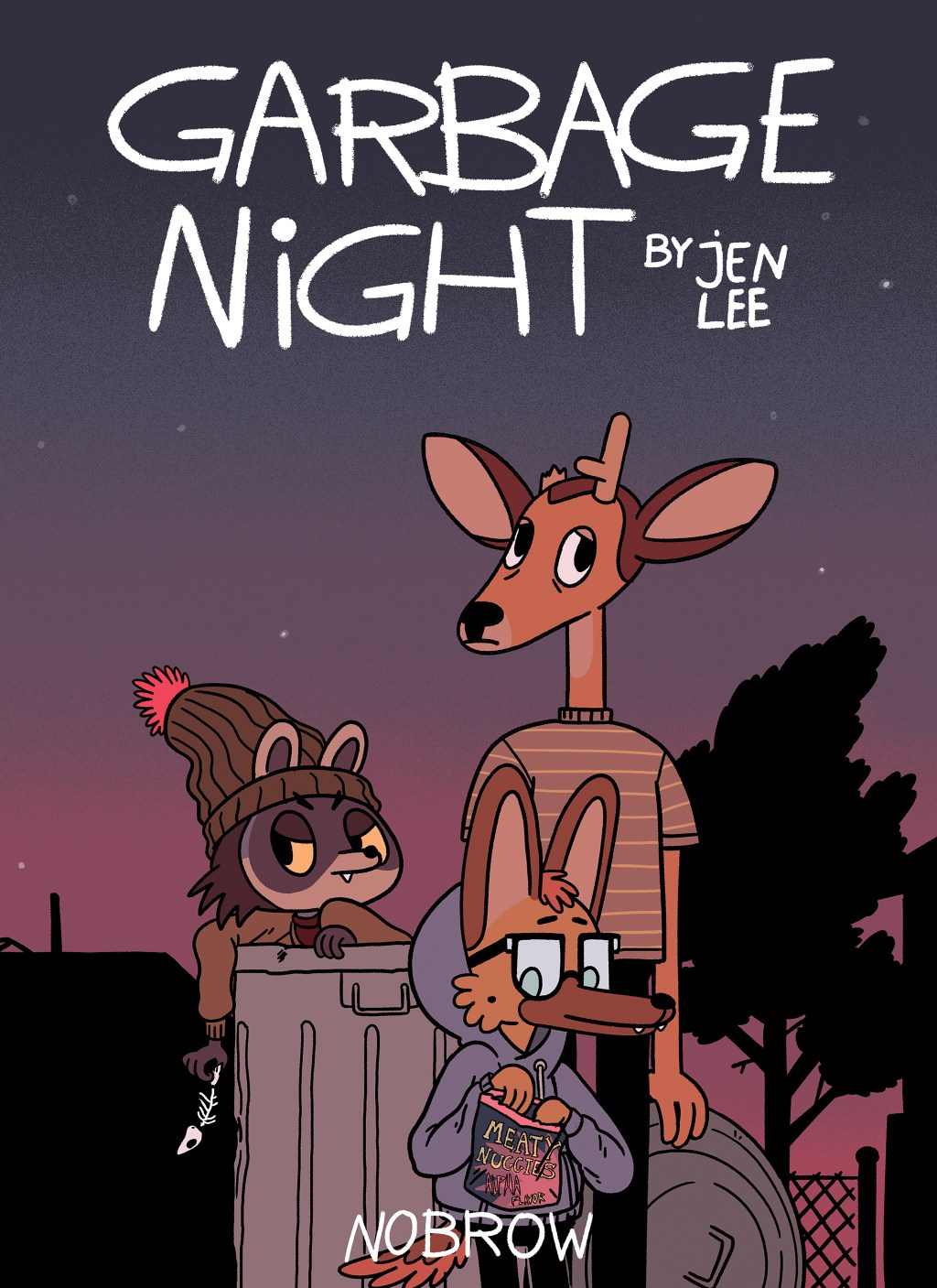
Putting animal heads on the characters in cartoons is a widespread and long-established device—as I very recently noted with respect to Bryan Talbot’s Grandville. Through this device, the cartoonist, who aims to visually communicate any number of observations that couldn’t emerge through mimetic representation, is able to access a smorgasbord…
 Oliver Arditi