Category: Books
-
The last man who knew everything (about bread)
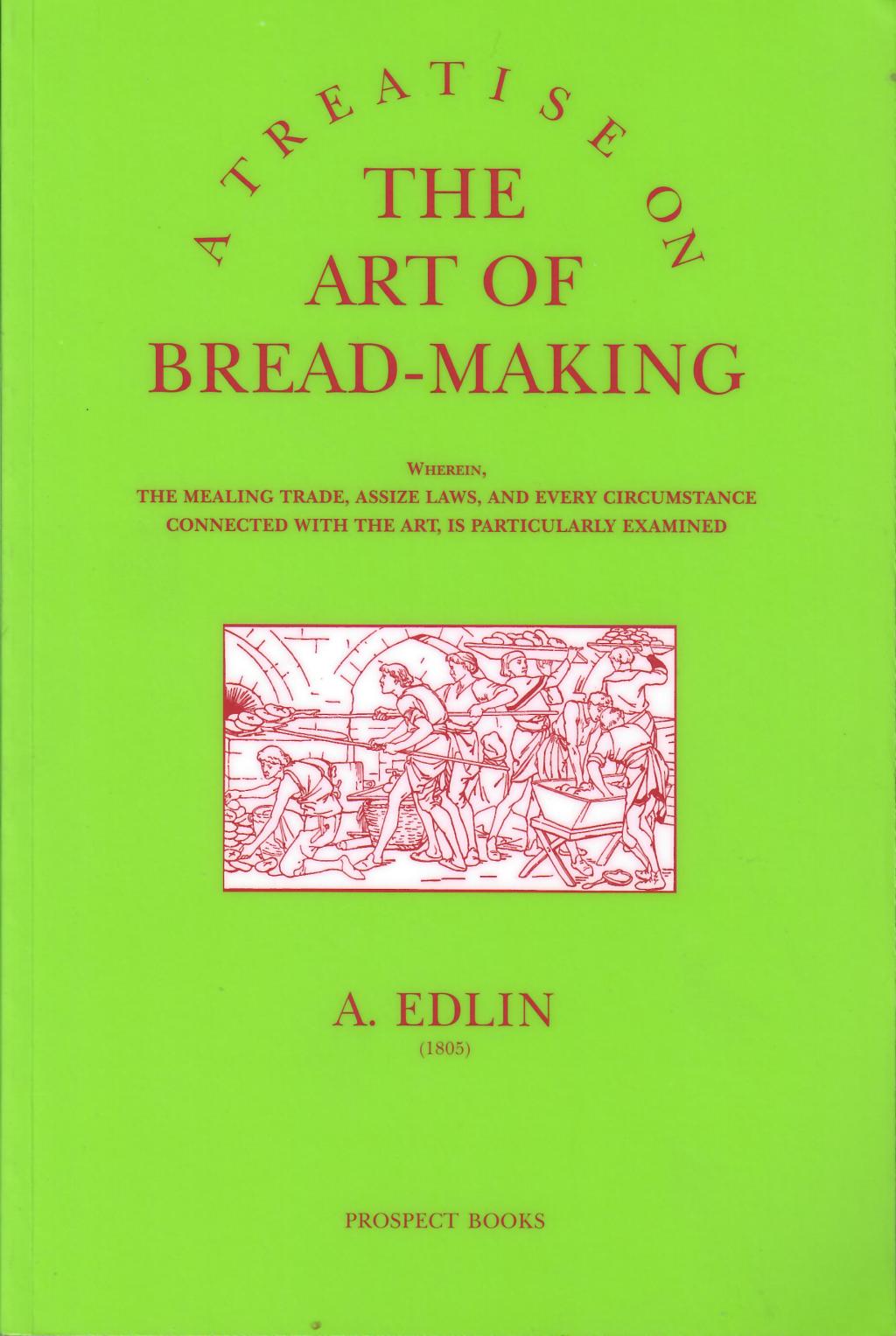
Mostly if I want to find out about something (I call it ‘research’ when I’m feeling self-important), I look on Wikipedia. If I need to go a bit deeper then I make a big stack of books on the subject and make notes on them. When I’m choosing books to…
-
Nurture writing
I read an interview with Suzanne Simard in New Scientist and it brought tears to my eyes. Her description of the realities revealed in her career as an experimental scientist gave me such a sense of validation and hope that I immediately pre-ordered the book she was plugging, Finding the…
-
Hardy perennials

Kim Stanley Robinson is known for not writing stories about soldiers, or other stereotypically heroic figures—which in our deeply fucked-up cultures are almost always the purveyors of violence. Instead he writes about scientists, administrators, politicians, activists, engineers, labourers, artists, writers, craftspeople, and so on. The kind of characters that seem…
-
Central admixture

Having recently read and written about Quicksilver, the book which precedes The Confusion in Neal Stephenson’s Baroque Cycle trilogy, there’s relatively little that I feel compelled to commit to my journal in respect of the The Confusion. To say it contains ‘more of the same’ sounds dismissive, but that’s essentially…
-
For the bakers

I’m fortunate enough to be closely related to someone (my mum) who is something of an authority on the state of scholarship around bread and baking, and she recommended Elizabeth David’s English Bread and Yeast Cookery as remaining one of the best secondary sources, more than forty years after its…
-
Light touch, heavy themes
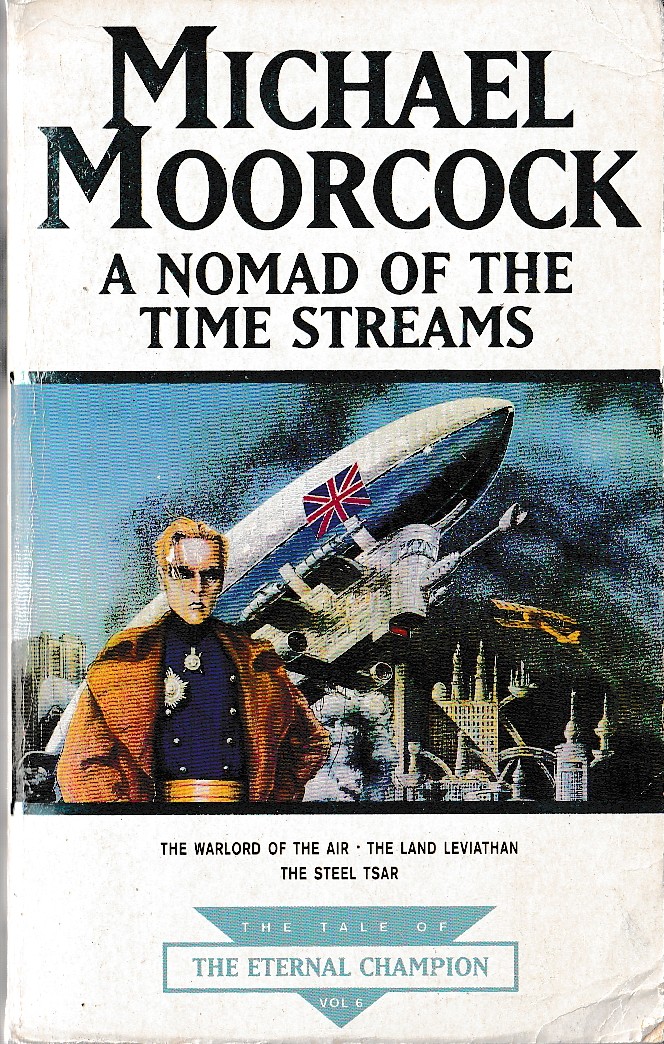
I inhabit a timeline in which the definitive version of Michael Moorcock’s huge fantasy sequence is The Tale of The Eternal Champion, available in your version of reality only in second-hand copies which sometimes slip between the parallels and turn up for sale in independent bookshops (or on Amazon). In…
-
Everything happens only once
My exploration of Kim Stanley Robinson’s oeuvre is proceeding in a kind of pincer movement, reading books alternately from either end of his writing career, and closing in on the midpoint. I didn’t start right at the beginning, having read several of his earlier novels already, but with Antarctica, published…
-
My grandfather’s hats

It’s a strange privilege to have had a grandfather who was, as he once put it, ‘world famous to five hundred people’. He was actually downplaying his public profile there, although that’s a fair description of many academics, whose disciplines tend to be both obscure and globally distributed. In my…
-
A work of play
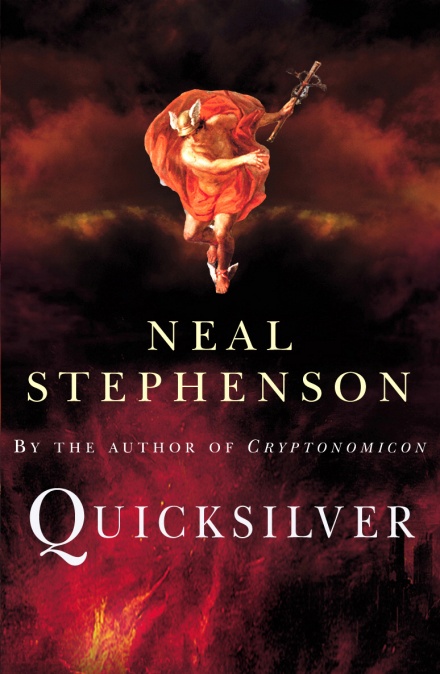
This Neal Stephenson dude likes to go large. Enormous books, with vast casts of characters, containing epic and sprawling storylines that tackle thorny and fundamental philosophical problems—all done in an irreverent and humorous way. Of all his fiction that I’ve read so far, Quicksilver seems the apotheosis of these tendencies,…
-
Indulging in the immediate future
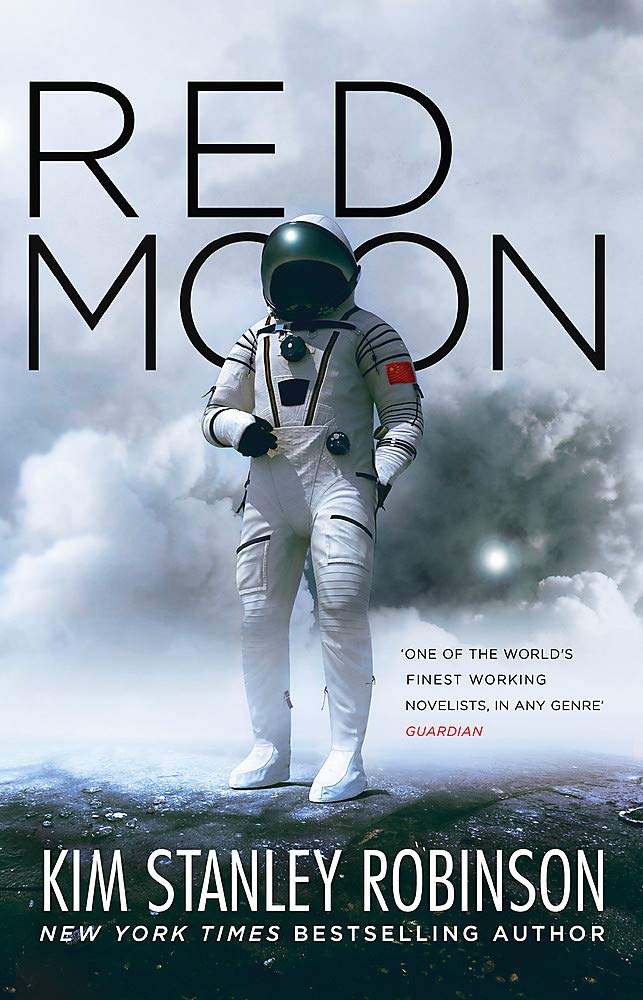
In Red Moon Kim Stanley Robinson turns his attention to the Earth’s satellite in much the same way that he has turned his attention to Mars and Antarctica, among other places. That is to say, with knowledge, rigour, and an unerring instinct for where the stories are. In many ways…
-
Mystery abides
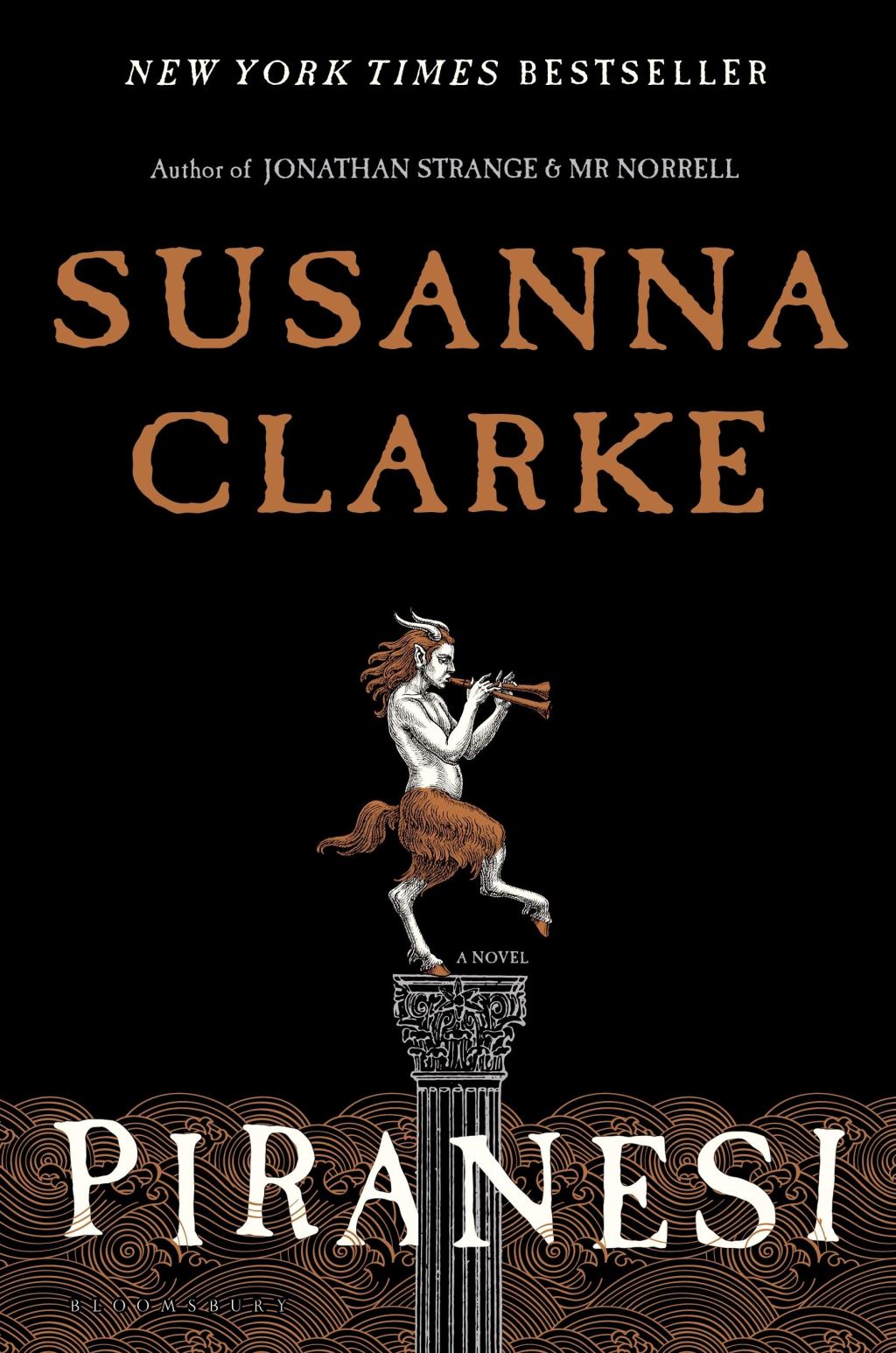
First-person narratives often use the grammatical device of the first-person pronoun to solicit the reader’s close identification with the narrator, without letting go of the privileges pertaining to a distanced, omniscient point-of-view. Such stories usually fail to elicit the immersion they are aiming at for me—which is not to say…
-
Needful history
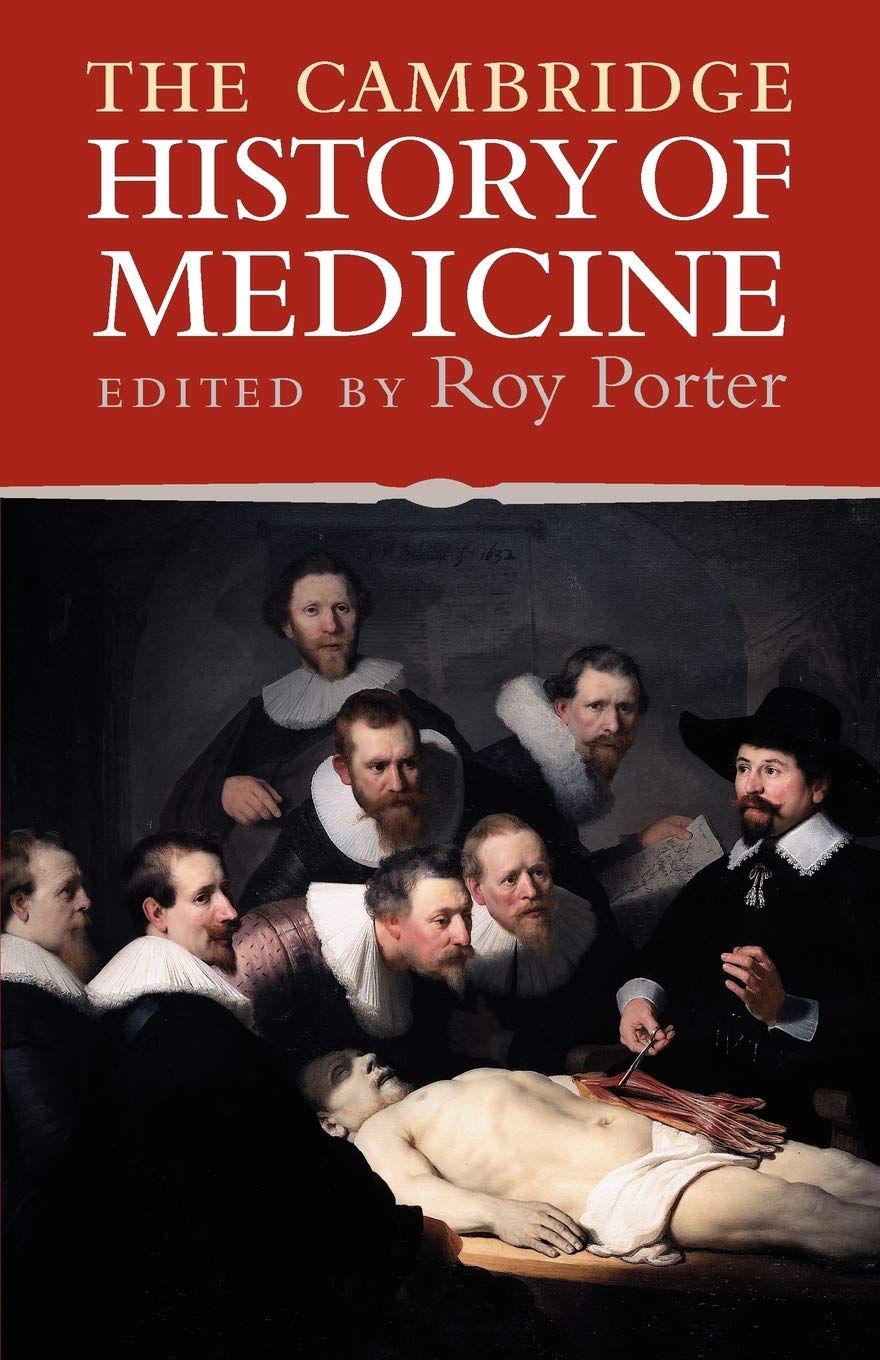
A book with a title like The Cambridge History Of Medicine makes an obvious claim to be definitive, but also stakes its territory in the domain of tertiary documentation—we don’t expect its authors to be sharing the bleeding edge of their research, or making controversial claims, but to be providing…
-
Complicated fun
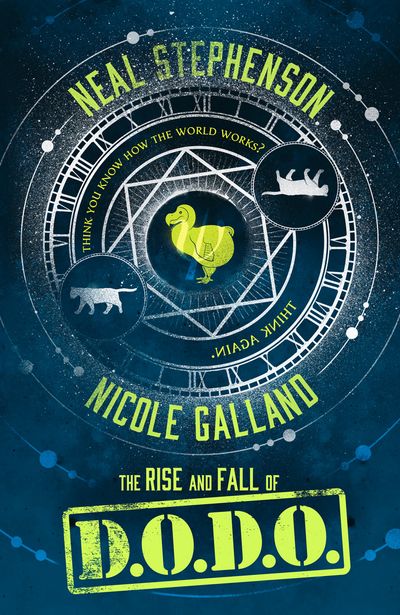
In my current mission to read Neal Stephenson’s entire oeuvre, I’ve been zigzagging between his earlier and later publications. If there’s one difference between his early and late work that I can put my finger on easily, it’s the increasing prominence of female characters, and particularly female point-of-view characters. In…
-
Culturing flavour

The world of ‘elite food’ raises certain questions. It would be easy to write off entirely, from a social justice point of view: good food is domestic food, and everyone should have access to it. Even in a world of perfect economic equality, there would be no way that we…
 Oliver Arditi