-
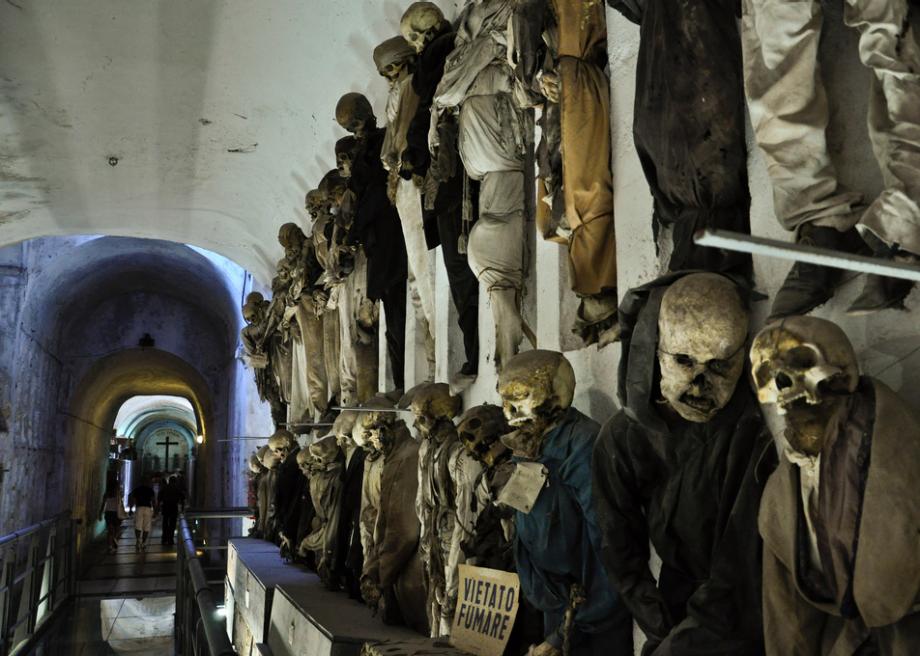
A horizon obscured by banality
I’m generally unimpressed by assertions of a cultural distance between Northern and Southern Europe. Such ideas usually revolve around differing attitudes to work and leisure, the importance of food and family in the South, the more relaxed lifestyle found in warmer climates, and so on. I don’t dispute that such differences exist, but I tend… Read more
-

The sound of the unnamed
H.P. Lovecraft, the lonely, bitter, racist, visionary poet of American horror, conceived ancient malevolences from the beyond the limits of the knowable, unnameable terrors from the vast gothic hinterland where knowledge is madness. It seems quite apposite then that his most famous creation was literally unnameable when Metallica devoted to it the nine-minute instrumental with… Read more
-

The elision of geography
At the age of fourteen I was lucky enough to spend a few hours, one afternoon in Los Angeles, with the two writers who were then probably the best known skalds of that city’s architecture – Esther McCoy and my grandfather, Reyner Banham. It was not an edifying afternoon, as I was not at the… Read more
-

Hybridity reified: a cosmopolitan architecture
Like the gardens of the Orto Botanico, the formal beds and pathways through which one approaches the facade of the Castello della Zisa are parched, dry and brown. They are not effaced by a chaos of growth, however, but scourged with an excess of order, a ground whose geometries are violated by no figure. Or… Read more
-

A few wooden buildings
Places have memories. This is not to propose the pathetic fallacy that they have feelings, consciousness, thoughts or intentions, but that in the same manner that a certain synaptic pattern preserves a trace of experience in the brain, features of landscape and cityscape preserve traces of biography. Of course subjective experience can only be imaginatively… Read more
-

A ruptured order
A melancholy sense of lost hegemony and deteriorated grandeur was brought to Britain from southern Europe by the Grand Tourists of the seventeenth and eighteenth centuries, and profoundly informed the aesthetics of the Gothic and Romantic movements, as in the archetypically Gothic edifice of Horace Walpole’s Castle of Otranto, a crumbling mansion set in a… Read more
-
Subscribe
Subscribed
Have a WordPress.com account? Log in now.

