-

Thresholds
We cross thresholds, we readers. Each book we read is entered through a portal, and marking those portals—projected onto the membrane between this and that, self and other, known and novel, given and made—there are images. I am not speaking metaphorically. For the last ten years, in my day job, I have been engaged in… Read more
-

Complexities of service
With The Caine Mutiny, Humphrey Bogart continued his drift away from movie-star roles, playing a part in which his character appears weak, unlikeable, cowardly and possibly lacking in mental stability. The film is an ensemble piece, which gives as much screen time to his co-stars, and which locates the narrative point-of-view with them far more… Read more
-

A game of madness
I’ve never paid particular attention to Nicholas Hawksmoor’s famous London churches, although I am familiar with some of them. I have, however, become embroiled as a reader in a complex literary game which has been articulated around them, through the work of several writers. My first encounter was through Alan Moore and Eddie Campbell’s comic… Read more
-

No detour
Slayer’s fourth album, South of Heaven was released when their sound and status were well-established, and it was conceived as a conscious effort to avoid slipping into cliché or repetition. With their reputation for blistering tempos there was nowhere to take them but down, and they combined this slowing with a more textural approach to… Read more
-

Unquestioned liberalism
There’s a kind of nostalgia for the Cold War, almost in the same way that British culture incorporates a nostalgia for WWII. Some people miss the simplicities of that time—the black and white morality that was sold to them by their governments, which while no more substantial than the bizarre claims of today’s post-truth politics,… Read more
-
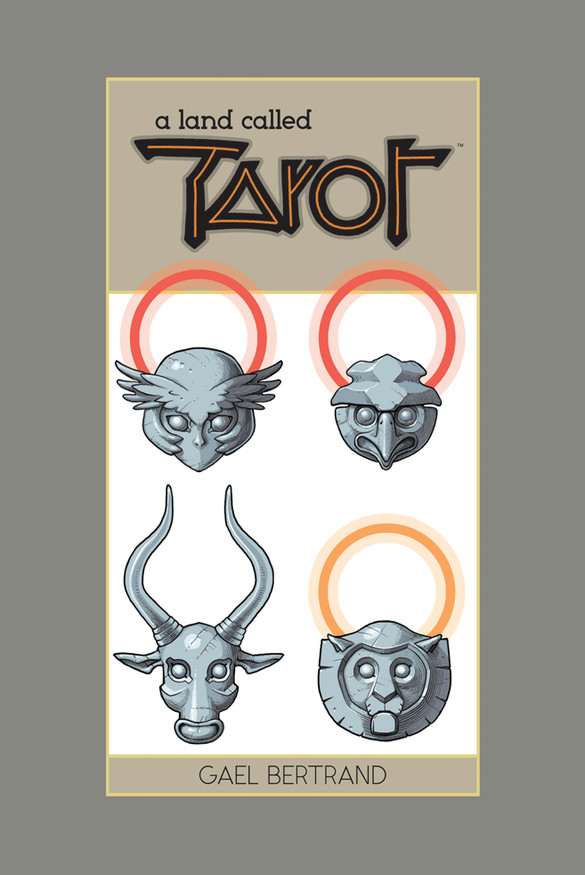
Built in the telling
A ‘silent’ comic, which is to say a wordless comic, relies on the grammar of sequential art. This is a well-established grammar, with most of the characteristics of spoken language—it has a lexicon, a set of morphosyntactic rules by which lexical items are combined, and it has dialectical variations. Such variations are largely a matter… Read more
-
Subscribe
Subscribed
Have a WordPress.com account? Log in now.

