Author: Oli
-
The source

Reading the second volume of Rebellion’s sumptuous collected Nemesis The Warlock has been a real pleasure. It hasn’t been a revelatory experience, in the way that reading the first volume was, as I have already been reminded what Nemesis is like, how good it is, and how mind-blowing its art.…
-
A joy
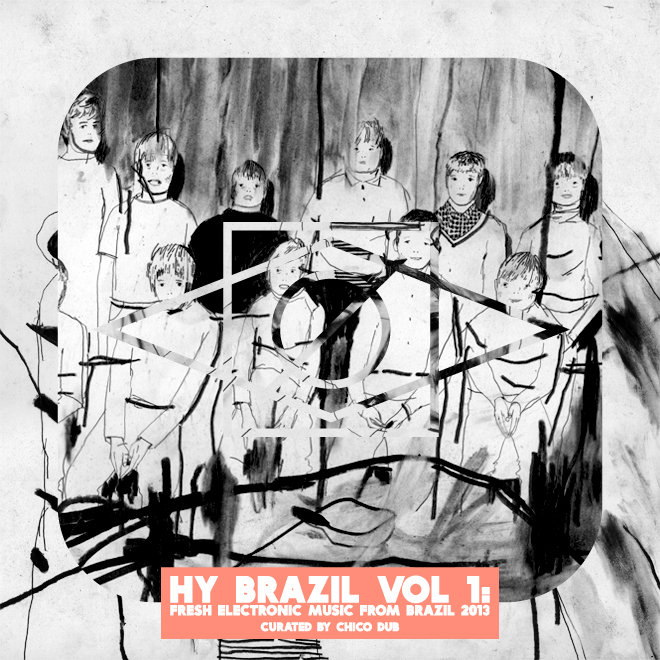
One of the leading South American festivals of electronic and experimental music, I gather, is Novas Frequências, held somewhere in Brazil (the website for the 10th edition, held last year, doesn’t seem to specify!) The festival’s curator, Chico Dub, also curated a series of compilations between 2013 and 2016, ten…
-
Indulging in the immediate future
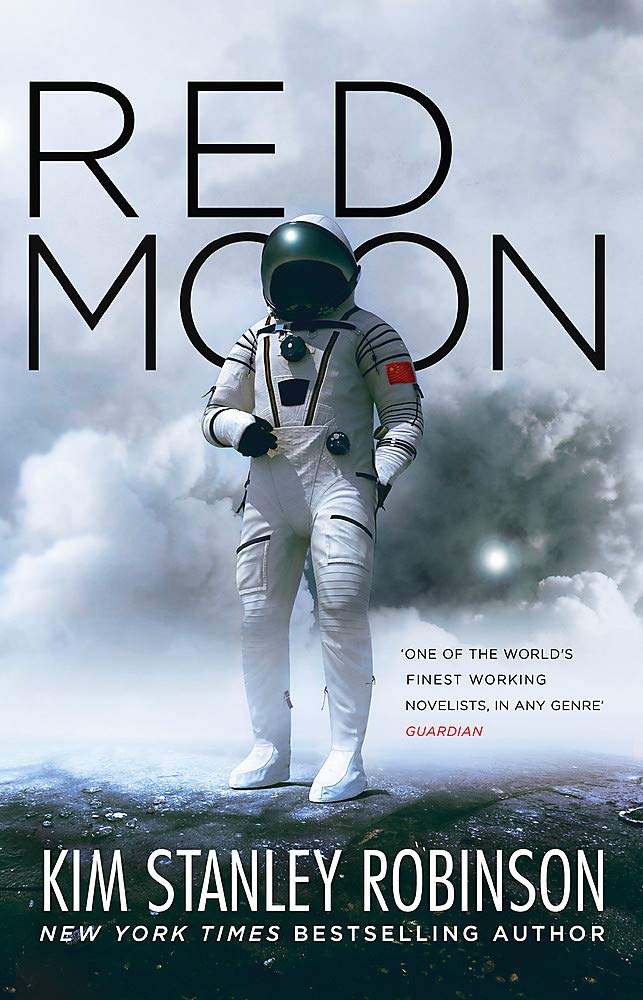
In Red Moon Kim Stanley Robinson turns his attention to the Earth’s satellite in much the same way that he has turned his attention to Mars and Antarctica, among other places. That is to say, with knowledge, rigour, and an unerring instinct for where the stories are. In many ways…
-
Mystery abides
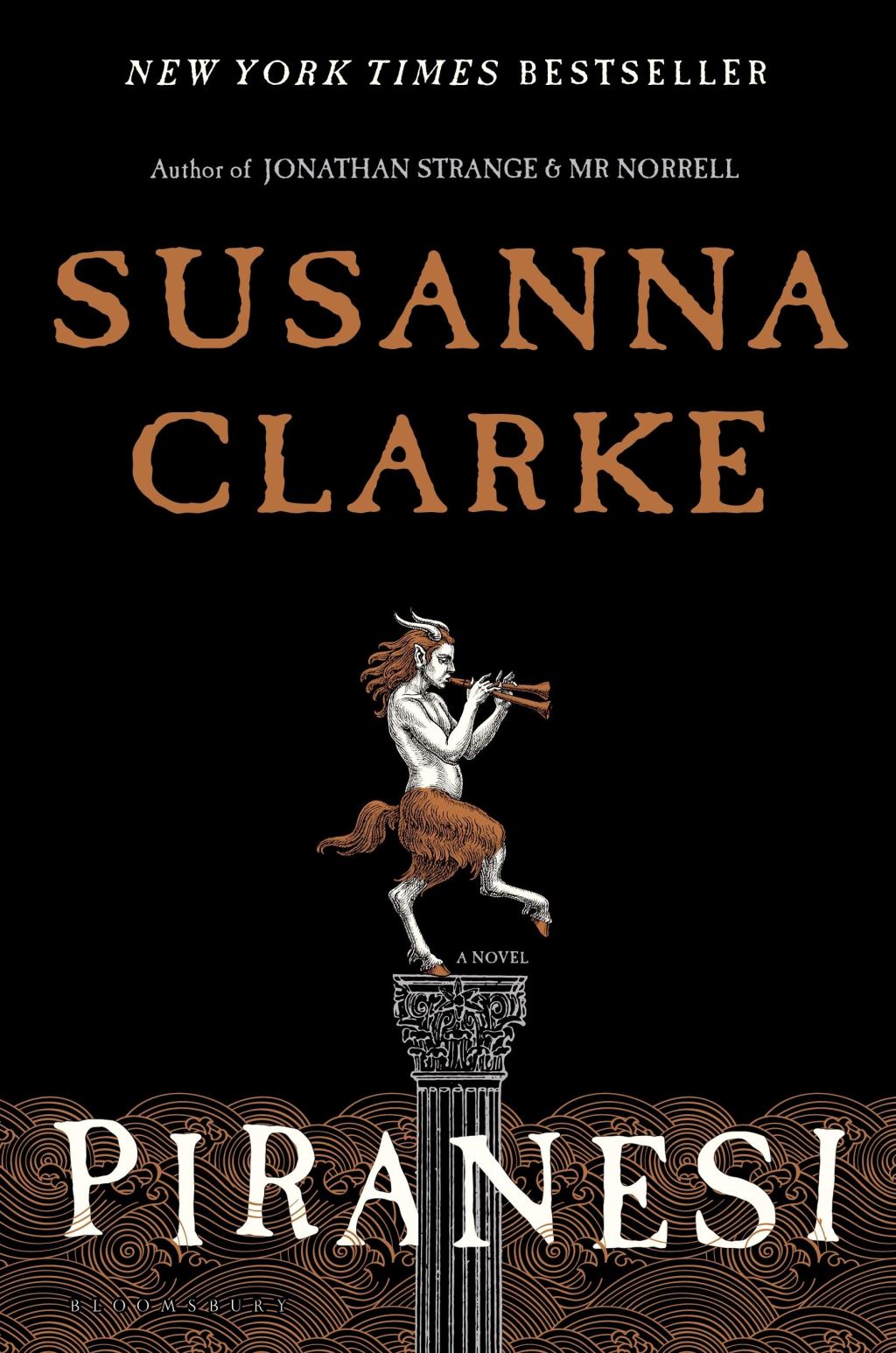
First-person narratives often use the grammatical device of the first-person pronoun to solicit the reader’s close identification with the narrator, without letting go of the privileges pertaining to a distanced, omniscient point-of-view. Such stories usually fail to elicit the immersion they are aiming at for me—which is not to say…
-
Difficult questions
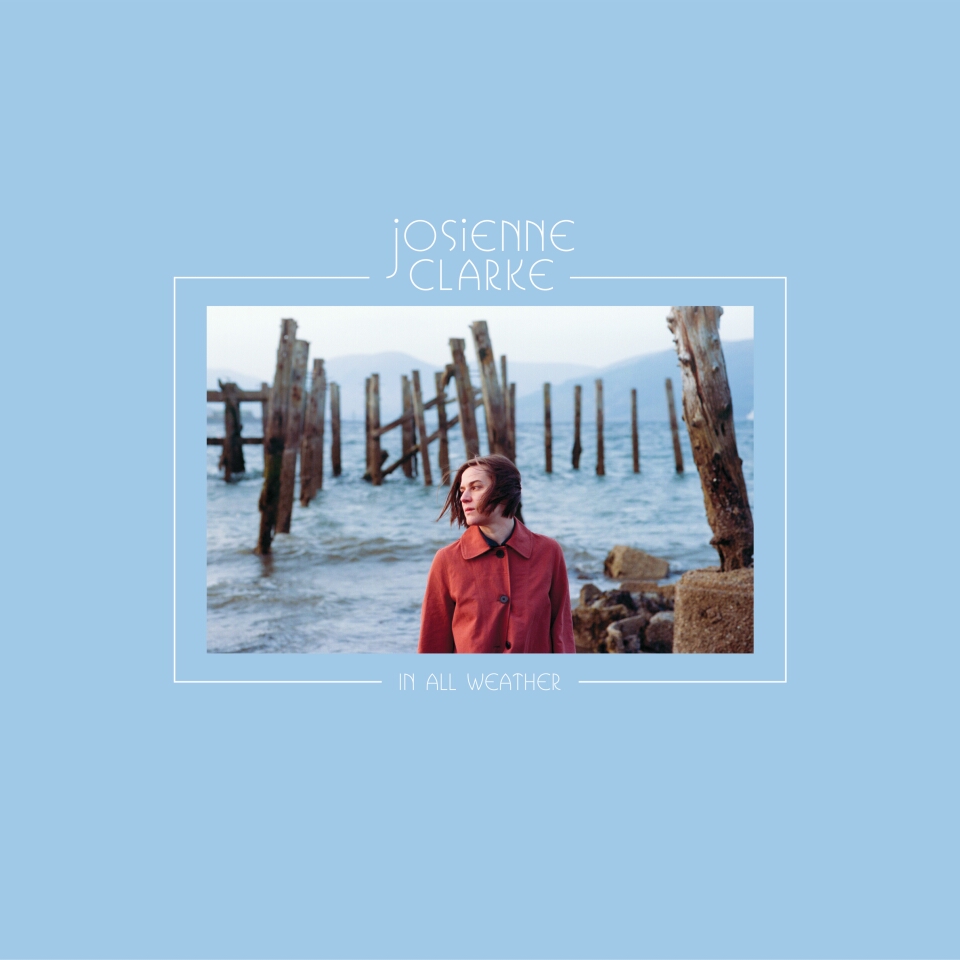
Josienne Clarke has a vocal style. Some of its appurtenances, such as its precise diction, its half-rounded vowels, its purity of tone, and its inevitable but particular phrasing, signal an allegiance to British folk music traditions, but there is a large and important difference between working ‘in’ a style, and…
-
Needful history
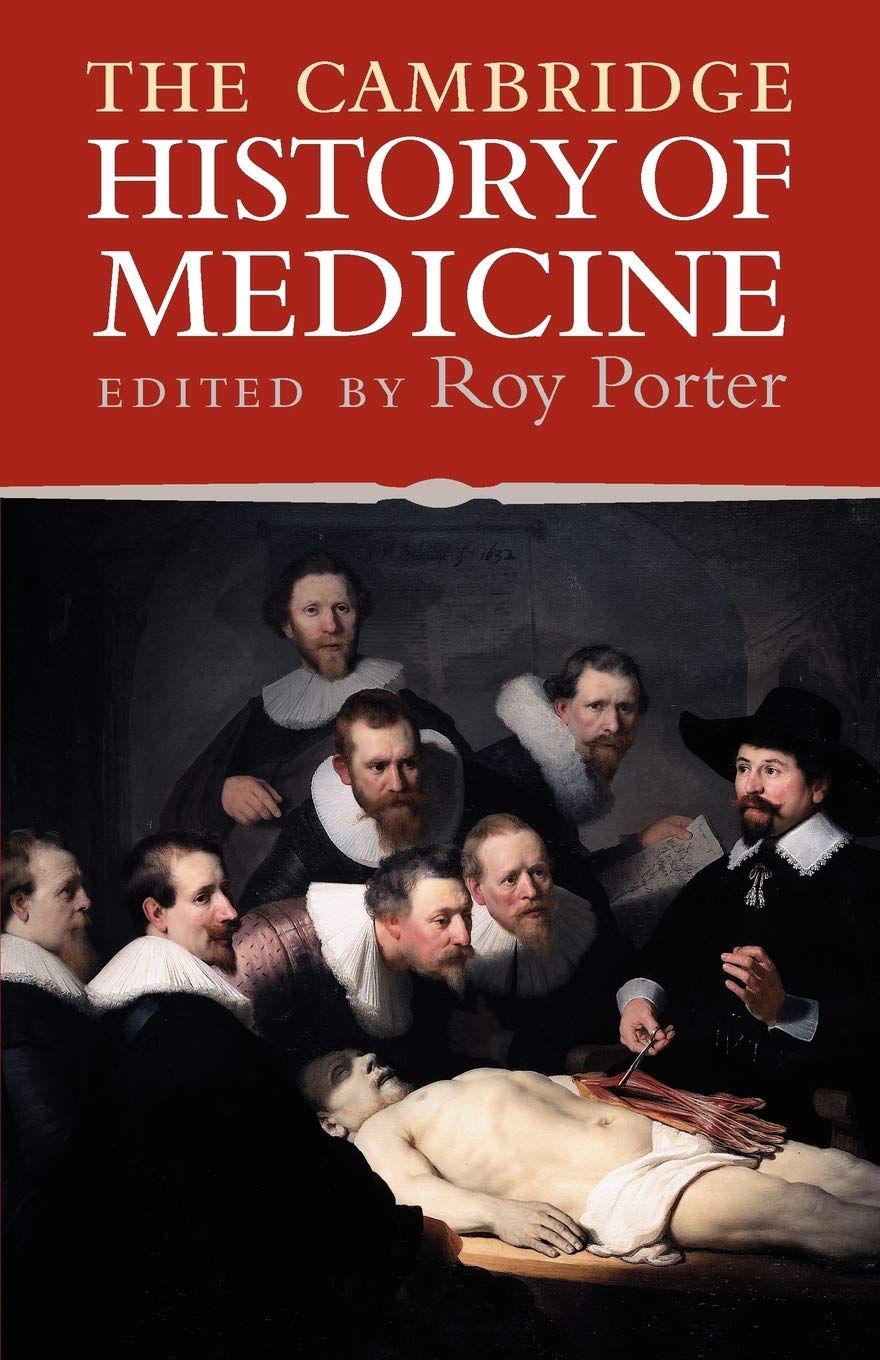
A book with a title like The Cambridge History Of Medicine makes an obvious claim to be definitive, but also stakes its territory in the domain of tertiary documentation—we don’t expect its authors to be sharing the bleeding edge of their research, or making controversial claims, but to be providing…
-
Complicated fun
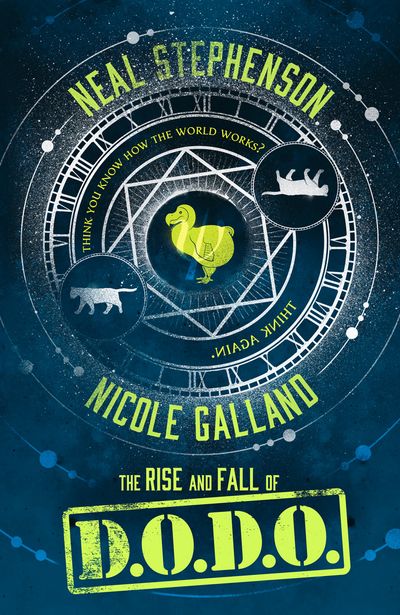
In my current mission to read Neal Stephenson’s entire oeuvre, I’ve been zigzagging between his earlier and later publications. If there’s one difference between his early and late work that I can put my finger on easily, it’s the increasing prominence of female characters, and particularly female point-of-view characters. In…
-
More than its parts
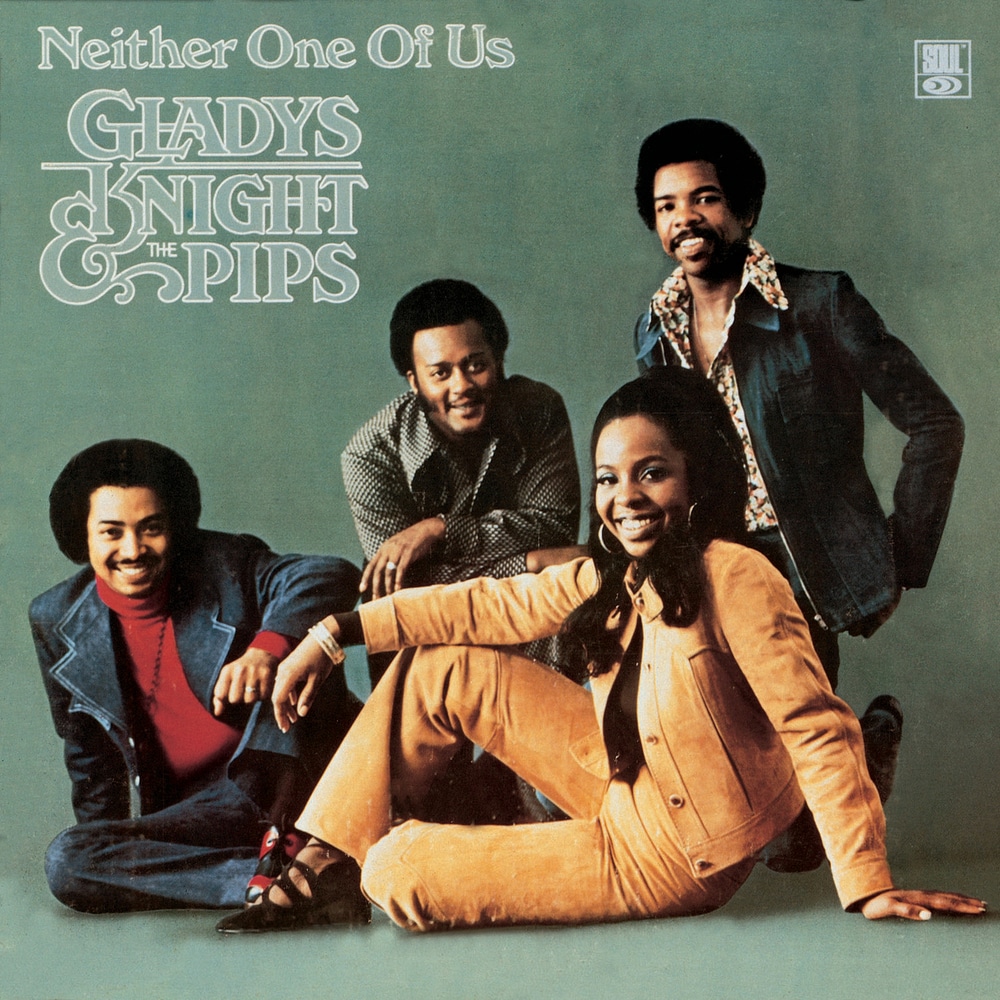
Neither One Of Us was the last album Gladys Knight & The Pips recorded for Motown, released after they’d left for Buddha Records in New York. It was a solid commercial success, although the group’s highest chart positions and best-remembered singles would come in the years they spent with Buddha.…
-
Still hidden

Hidden Figures tells the long untold story of the black women who worked as mathematicians at NASA in the 1950s and 60s, and who played a vital role in the glory days of the American space programme. These women were subject to a perfect storm of intersectionality, beginning their time…
-
Culturing flavour

The world of ‘elite food’ raises certain questions. It would be easy to write off entirely, from a social justice point of view: good food is domestic food, and everyone should have access to it. Even in a world of perfect economic equality, there would be no way that we…
-
Speculative non-fiction

In the interests of easing myself gradually into research, I’ve continued my investigation of historical bread-baking with quite a modest volume, although not as tiny as the Shire Album with which I started. William Rubel’s Bread: A Global History is not a scholarly work (it lacks references), but some scholarship…
-
Root access

When I was young, reggae was a central part of pop-music—everyone had heard it, and although it wasn’t the most mainstream of musical interests, it was in the charts, and occasionally it produced a number one single in the UK. Then popular tastes changed, and reggae itself underwent some radical…
-
In black and white
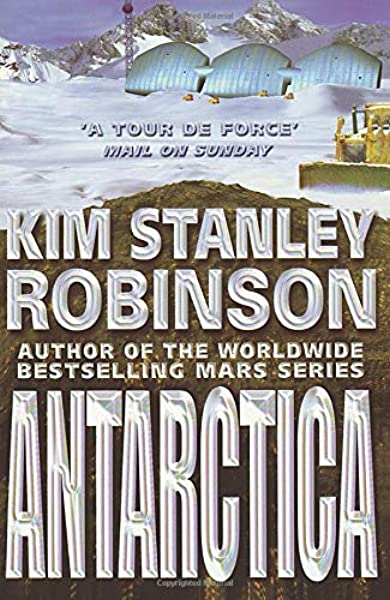
Having dipped into Kim Stanley Robinson’s work at intervals during his career (whether retrospectively as here, or contemporaneously), I’m starting to get a handle on his M.O. The fact that he tends to do the same sort of thing doesn’t indicate that his books are repetitive however, although they are…
-
Periodic themes

My two main topics of research for my soon-to-be commenced fantasy novel are baking and medicine, since they’re the activities on which my narrator spends her time. In both areas I’m very fortunate to be related to someone (Parent) who is a bona fide expert on the field, so I’ve…
 Oliver Arditi